Scrap Metal Salt Lake City: What Local Yards Expect
October 8, 2026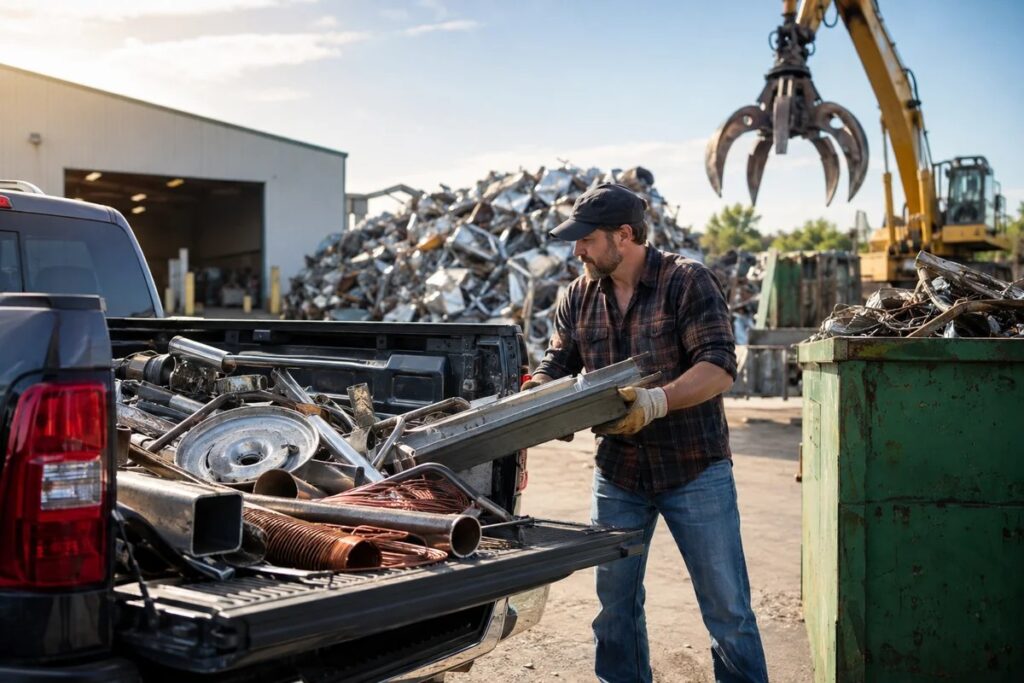
A fast answer for junkyard near me searches
Most people looking for scrap metal should start with a scrap yard, salvage yard, or metal recycling center that accepts the specific material they have. If you typed junkyard near me, the right stop depends on whether you’re bringing loose steel, copper wire, aluminum rims, appliances, vehicle parts, or a whole car. A broad search term like junkyard can point to a lot of different places, so the fastest way to avoid a wasted trip is to call ahead before you load the truck. Ask about accepted materials, scale hours, ID rules, and whether the yard takes drop-offs only or larger loads too. If Clearfield Recycling is on your list, use the same checklist before you move a single piece of metal.
Junkyard, scrap yard, or salvage yard
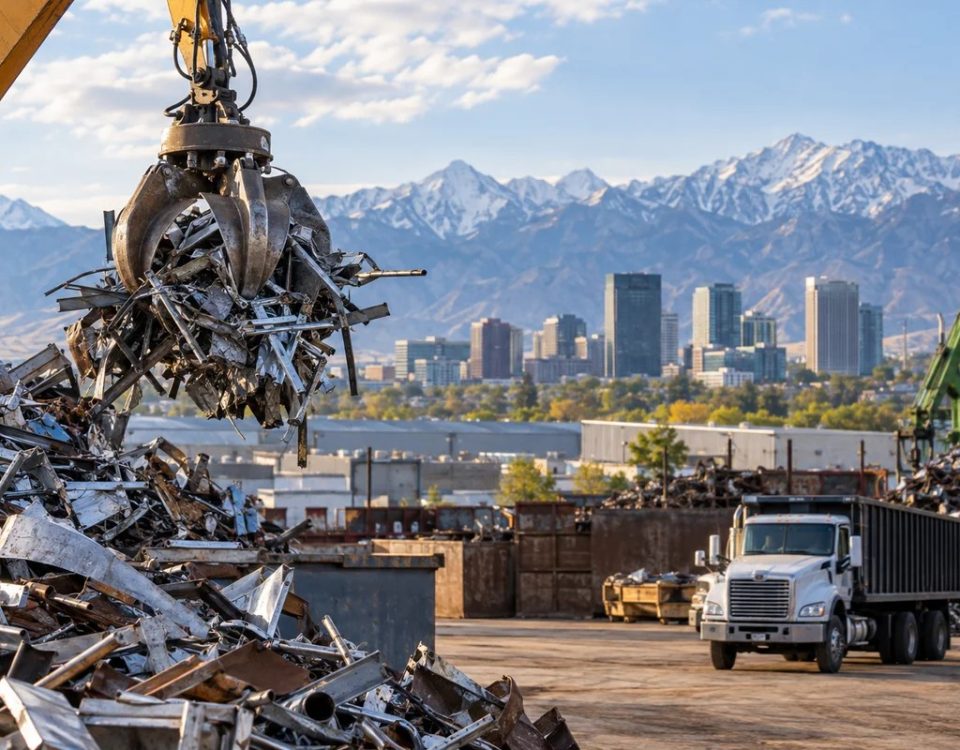
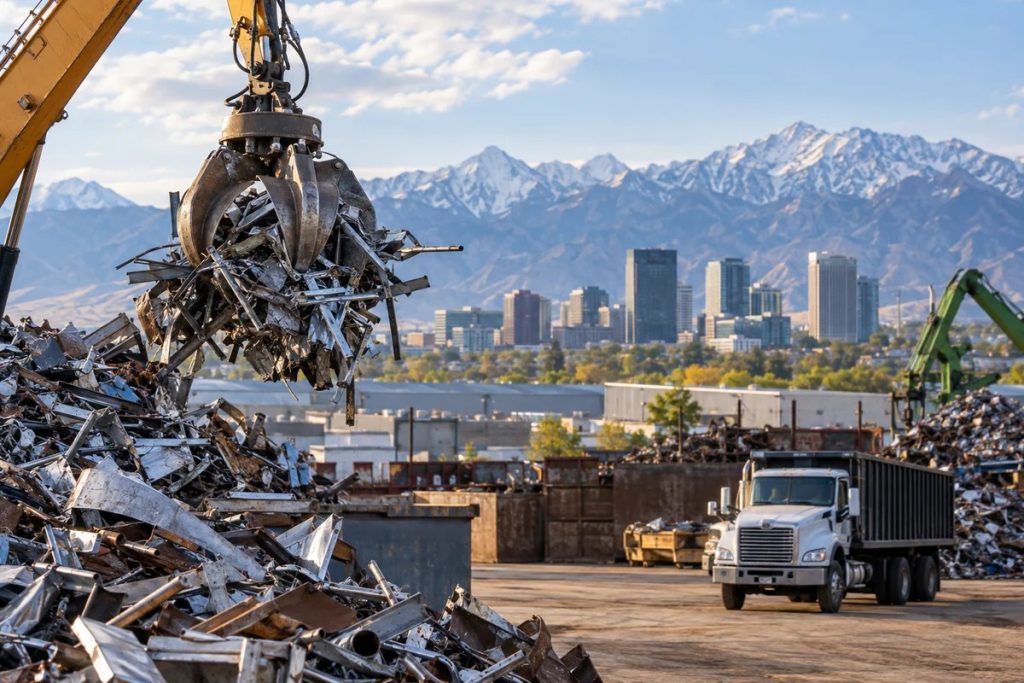
A scrap yard usually buys metal by weight. A salvage yard usually sells used auto parts or accepts vehicles for dismantling, and an auto salvage yard may do both. That difference matters because car bodies, rims, copper wire, steel, appliances, and mixed household metal do not always belong in the same place.
| Material | Best fit | Why it fits |
|---|---|---|
| Car bodies | Salvage yard or auto salvage yard near me | Whole vehicles are usually handled for dismantling, paperwork, or parts recovery. |
| Rims | What we buy or a metal recycling center near me | Clean aluminum or steel rims are usually weighed as metal, not sold as parts. |
| Copper wire | Scrap metal yard near me | Copper is a nonferrous metal and is typically sorted by weight and grade. |
| Steel | Scrap yard or metal recycling center | Steel is ferrous and often goes straight into the ferrous pile. |
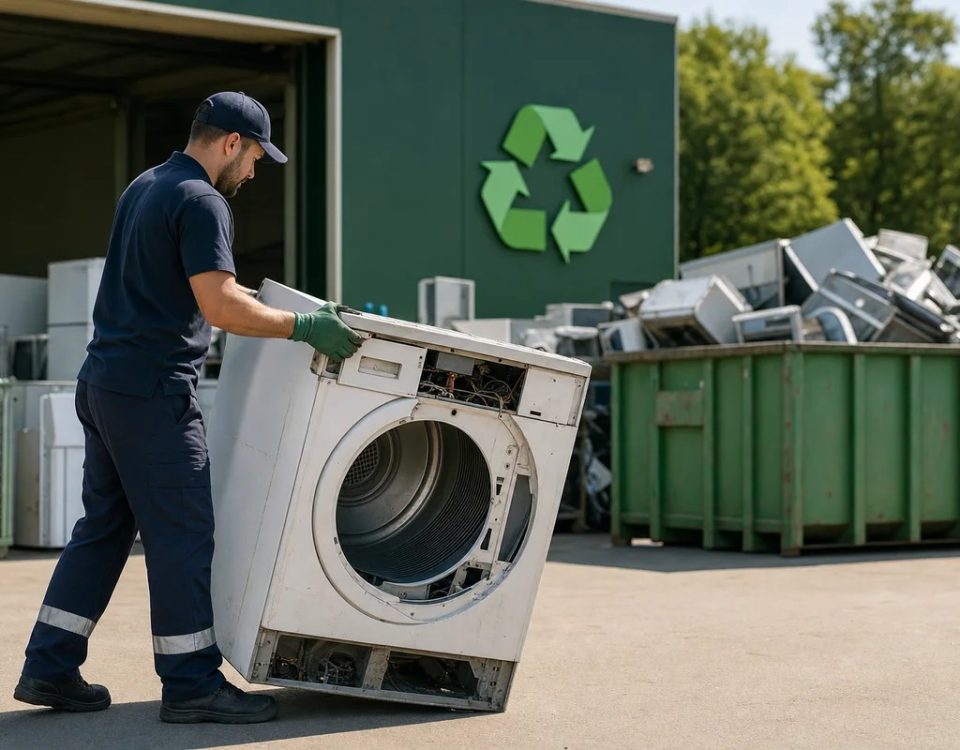
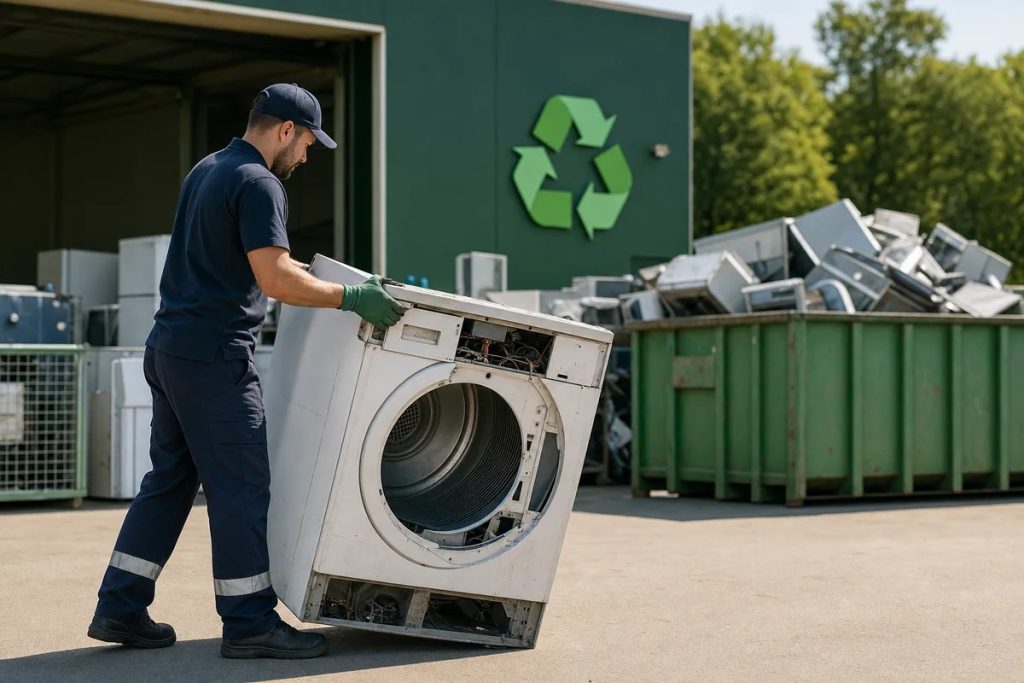
| Appliances | Metal recycling center or scrap yard that accepts appliances | Many sites want the unit drained and prepared, especially if refrigerant is involved. |
| Mixed household metal | Scrap yard if they accept mixed loads | Loose mixed scrap may be accepted, but contamination can change the payout or trigger a refusal. |
Common rejection points include fluids, sealed tanks, refrigerators with refrigerant, and contaminated material that needs special handling. That is why a car junkyard near me search sometimes leads to a salvage yard, while a loose scrap load belongs at a scrap metal yard or metal recycling center instead.
A quick way to narrow down the right scrap metal yard near me
The simplest way to narrow down the right scrap metal yard near me is to name the material before you name the place. If you have steel, aluminum, brass, copper, or a car part, search that material plus your city, then check the yard’s website or map listing before you drive over. Start with the listing because it usually shows scale hours, pickup service, container drop-off, and whether small loads are welcome.
- Identify the exact metal. Write down steel, aluminum, brass, copper, or the part name, such as an alternator, rim, or bumper.
- Check the listing. Look for accepted materials, business hours, and any note about appliances, mixed scrap, or vehicles.
- Confirm the loading rules. Ask whether the yard wants sorted material, whole items, or bundled pieces.
- Match the trip to the site. If the yard mentions scale hours, pickup, or container drop-off, make sure your load fits that setup.
Check the details before you load the truck
Confirm accepted materials by name so you do not show up with a load the yard does not want. Ask about minimum load sizes, whether the yard sorts on-site, and how payment is issued. One phone call can prevent a wasted trip and a heavy unload at the gate, whether you are comparing a local yard or Clearfield Recycling.
Ask about pickup, containers, and load limits
Some yards offer pickup or roll-off containers for heavier scrap, while others only accept drop-offs. Load limits matter for loose metal, appliances, and mixed material, especially if the site is small or busy. Ask whether payment comes as cash, check, or digital payment before you arrive so you know what to expect at the scale.
Sort the load so the yard can take it
Sorting pays off because yards can grade clean metal more quickly, and separated ferrous and nonferrous material is less likely to be downgraded. Ferrous metal, like steel, is magnetic. Nonferrous metal, like copper and aluminum, is not. If we are helping someone prepare a mixed pile, we start by pulling the obvious categories apart, not by chasing every tiny bolt or clip. Remove non-metal parts when it is safe to do so, such as plastic housings, rubber trim, wood, batteries, and loose attachments. Skip anything with fuel, oil, refrigerant, sealed cans, or other contamination, because that can get the load rejected. When a pile is too mixed to sort quickly, our team at Clearfield Recycling would still suggest cleaning up the obvious problem items before you make the drive.
Separate steel from copper and aluminum first
Start with the obvious groups, steel in one pile, copper in another, aluminum in a third. Copper wire, aluminum rims, and steel brackets are easier for the yard to grade when they are not mixed together, and clean separation can keep you out of the lowest scrap category. You do not need perfection, just a load that is easy to identify when it gets to the scale.
What happens at drop-off and when to skip the yard
Most drop-offs follow the same sequence: check-in, weigh-in, inspection, unloading, reweigh, and payment. An ID is often required, and vehicle paperwork may be needed for scrap cars, catalytic converters, or anything tied to ownership rules. If your material is contaminated, too bulky for the site, or better handled by a city program, curbside pickup, or a dedicated metal recycling center, skip the junkyard and choose the route that fits the load. That decision is especially useful when you are searching for a car junkyard near me but the vehicle is missing key paperwork or still has fluids inside.
Questions people ask before heading to a junkyard near me
Can I bring mixed scrap metal to a junkyard near me?
Yes, many yards accept mixed scrap metal, but they may pay less or ask you to sort it first. Batteries, fuel tanks, and metal with oily residue are common rejection points.
Will a car junkyard near me take a vehicle without a title?
Not always. Many yards require proof of ownership, and local law can also require paperwork, so call with the VIN before you tow or drag the car over.
Do I need to clean rust, dirt, or paint off scrap metal first?
No, light rust or dirt is usually fine, but obvious contamination can lower the grade or trigger a rejection. Oil, fuel, refrigerant, and attached non-metal parts matter more than a thin layer of surface grime.
What if my load is too small for a scrap yard near me?
Small loads are often better saved for a municipal drop-off, curbside bulk pickup, or a later combined trip. If you only have a few loose pieces, wait until you have enough to fill a truck bed or trailer so the trip is worth the time.
Ready to sort the load and make the trip count
If you want a local place to compare before you haul anything, use Clearfield Recycling’s contact page to ask about the material by name and make sure the trip fits your load. That one check is usually enough to turn a vague junkyard near me search into a plan you can actually use.