Recycling Salt Lake City: What Belongs in the Cart
September 25, 2026
Junkyard Near Me: Find the Right Scrap Yard Fast
October 23, 2026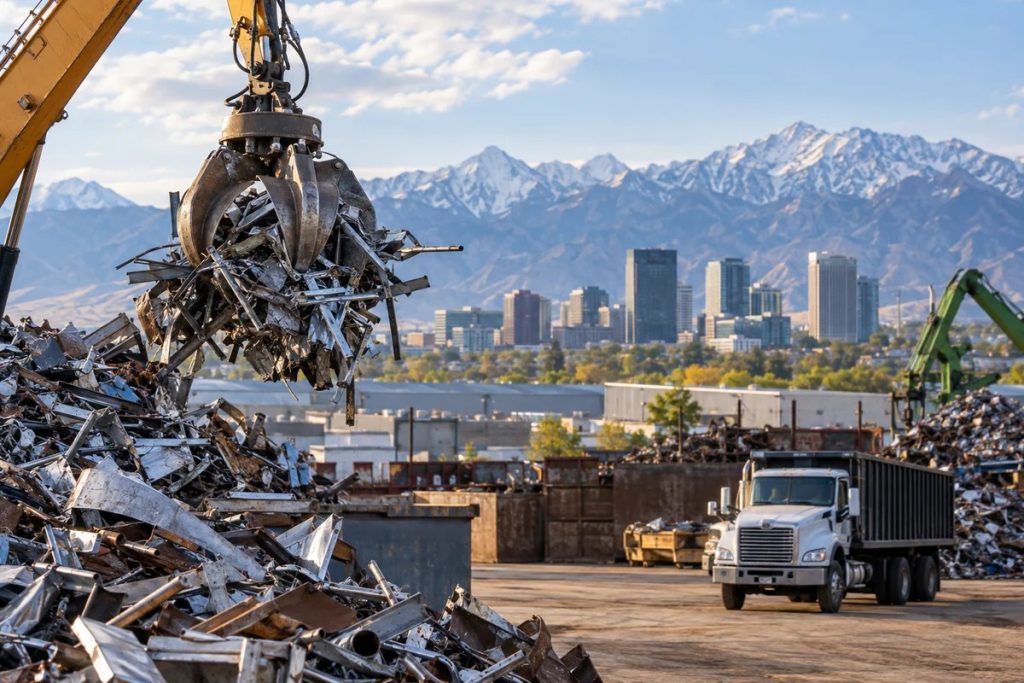
Scrap metal in Salt Lake City: what to expect from a local yard
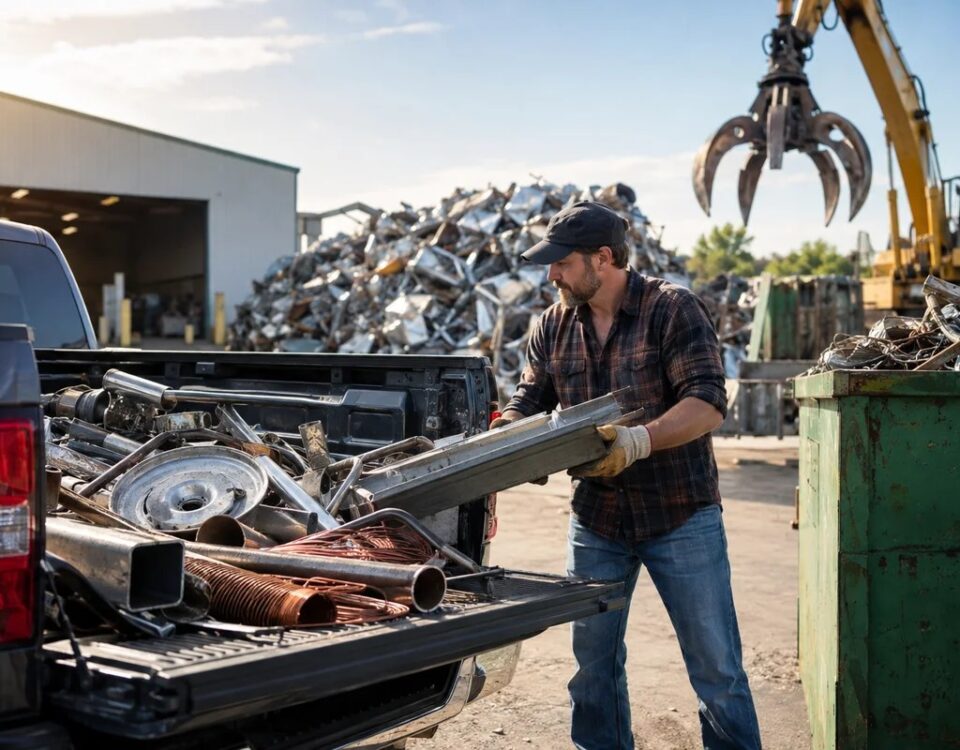
Scrap metal recycling in Salt Lake City is the process of bringing in leftover metal so it can be weighed, sorted, and sent back into production instead of sitting in a garage, truck bed, or jobsite pile. The metal most people bring in comes from homeowners, remodelers, auto shops, and contractors clearing leftovers from a project. At Clearfield Recycling, the process follows the same basic steps: sort the load, weigh it, and move usable metal forward.
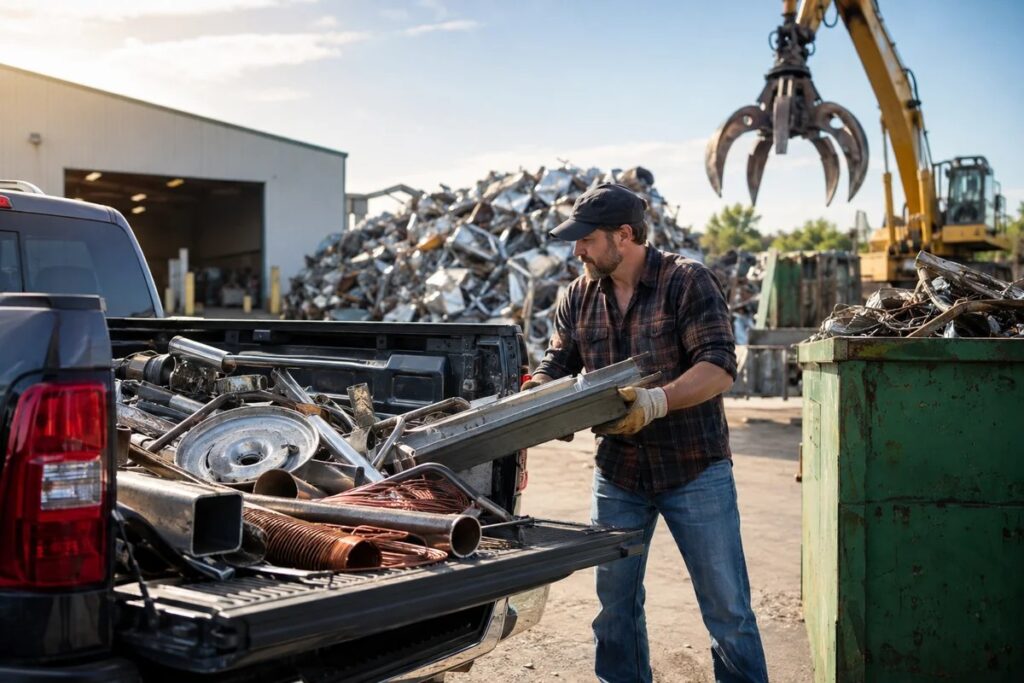
Common loads include copper wire, aluminum trim, steel offcuts, brass fixtures, appliances, and mixed cleanup piles from garages or small demolitions. What gets accepted, and what gets paid out best, depends on metal type, contamination, and whether the material is already sorted before it reaches the scale. That is why one load can move quickly while another needs extra sorting before it is ready for the yard. For a closer look at the materials a local yard may take, see what we buy.
What Salt Lake City scrap yards usually accept
Most yards sort metal into two buckets, ferrous and nonferrous. Ferrous metal contains iron, so it is magnetic and usually includes steel and iron brackets, beams, rebar, appliance shells, and similar heavy material. Nonferrous metal does not contain iron, so it covers copper, aluminum, brass, stainless steel, and many wire products that are worth separating before you leave home.
- Ferrous: steel pipe, sheet steel, iron frames, fencing, and appliance shells.
- Nonferrous: copper tubing, copper wire, aluminum siding, brass valves, and clean stainless pieces.
- Check first: appliances with refrigerant, sealed containers, batteries, and unusual auto parts like catalytic converters or parts with oil inside.
For metal recycling in Salt Lake City, the load is easier to process when it is dry, drained, and free of obvious trash. A yard can usually move faster when the material is not mixed with food, oil, or large nonmetal attachments. If you strip off the easy extras before you drive over, you make the whole visit simpler.
How to sort and prep metal before you sell scrap in Salt Lake City
- Sort by metal type. Keep copper with copper, aluminum with aluminum, and steel with steel so the yard does not have to separate your pile for you.
- Remove what is not metal. Pull off wood, plastic, rubber, insulation, and bulky fasteners when they will slow the load down or add contamination.
- Stage the load safely. Put the heaviest pieces on the bottom and leave room to lift or unload without digging through sharp edges.
Clean scrap means the metal is mostly free of attachments. Stripped copper is the classic example, while insulated wire belongs in a different category because the plastic covering changes how the yard processes it. Bare aluminum often grades cleaner than siding still attached to screws, nails, or tar, and that difference shows up when the load gets weighed.
Use gloves, tie down anything that can shift, and get help with heavy pieces instead of muscling them alone. A cart, dolly, or a second person can prevent a bad lift, and it also keeps the load more orderly when you arrive at the yard. If you want to sell scrap metal in Salt Lake City without extra sorting at the gate, a few minutes of prep usually pays off. Our team at Clearfield Recycling can also help you think through a mixed pile before you haul it across town. If you need a broader overview of services, recycling services explains the kinds of work the company handles.
From check-in to payout at a Salt Lake City scrap yard
The visit usually follows a simple order. You check in, the vehicle goes onto the scale, the load gets inspected or separated if needed, and then the yard records the weight and issues payment. That is the basic flow a scrap metal buyer in Salt Lake City may use, whether the load is a handful of wire, a trailer of siding, or a stack of old fixtures.
Some yards ask for ID or proof of ownership on certain items because they need to track regulated materials and reduce stolen-metal risk. That matters most with auto parts, catalytic converters, tools, and similar items that can be traced back to a specific owner or jobsite. If the material is unusual, call ahead before you haul it in. If you are planning a visit, the contact page is the best place to start.
Payment method, wait time, and whether the yard unloads the material can vary by site. One yard may pay by check or another method, another may ask you to unload at a separate bay, and a third may sort on the spot, so a quick call saves a second trip. If you are lining up several loads, our team at Clearfield Recycling can help you think through the order before you bring the heaviest piece across town. You can also check customer reviews to get a sense of how other visitors describe their experience.
What changes scrap metal prices and when pickup makes sense
Scrap pricing is mostly driven by market rates for the metal itself, then adjusted for contamination, sorting quality, and load size. Clean copper usually sits at the top of the value ladder, brass and aluminum are next, insulated wire drops because of the coating, and steel is usually the lowest of the common household metals by weight. A bigger, cleaner load is easier for a yard to process, so it usually performs better than a mixed pile with trash and mixed metals scattered through it.
| Metal | Relative value | Prep needs | Common example |
|---|---|---|---|
| Copper | High | Best clean and separated | Stripped wire, pipe offcuts |
| Brass | High to medium | Remove steel screws and fittings | Valves, fixtures |
| Aluminum | Medium | Keep it free of wood and tar | Siding, trim, cans, clean extrusions |
| Insulated wire | Medium to low | Bundle by type and keep it dry | House wire, extension cord remnants |
| Steel | Low | Separate from nonmetal trash | Pipe, brackets, frames |
Scrap metal pickup can make sense when the load is too bulky for a car, too heavy for a single person, or tied to repeat commercial cleanouts. A refrigerator, a pile of old HVAC parts, or repeated contractor debris from a remodel can be a better pickup than a drive across town. If you are not sure, send photos or a material list before you schedule, and our team can tell you whether pickup or drop-off is the cleaner route. For more on local pickup-related services, see recycling services.
Questions people ask before selling scrap metal in Salt Lake City
What items usually need proof of ownership at a scrap yard?
Some items do. Cars, catalytic converters, tools, and other regulated materials may trigger a request for a title, receipt, or ID, especially when the item could be traced to another owner. If you are unsure, call the yard before you load it so you are not guessing at the gate.
Can you bring in appliances with refrigerant or motors?
Yes, but refrigerators, air conditioners, and similar appliances may need special handling before a yard will take them. The usual issue is refrigerant removal or compressor rules, which is why a quick call matters before you drive across town with a full appliance. If the unit still has sealed refrigerant parts, check first.
What happens to mixed loads with wood, plastic, or dirt?
Mixed loads may still be accepted, but contamination can lower the grade or send the material to extra sorting. A demolition pile with metal siding, screws, wrap, and dirt is a good example, because the metal is usable but not as clean as stripped material. The cleaner the load starts, the less sorting work the yard has to do.
When is scrap metal pickup the better choice?
Pickup is the better choice when the load is bulky, repeated, or too heavy for a personal vehicle. A stack of old appliances, contractor debris from a weekly remodel, or a pile that would take two people and a trailer to move are all strong pickup candidates. Send photos or a load description first, and you can usually tell quickly whether pickup beats drop-off.
Get the load checked before you drive over
If your pile includes mixed metals, appliances, or material that might need paperwork, a quick call or message saves time. Clearfield Recycling can help you sort out whether the load belongs in the truck, on a trailer, or on a pickup list, and you can reach us through the contact page. That is the easiest way to avoid a second trip and get to the scale with the right material already separated.