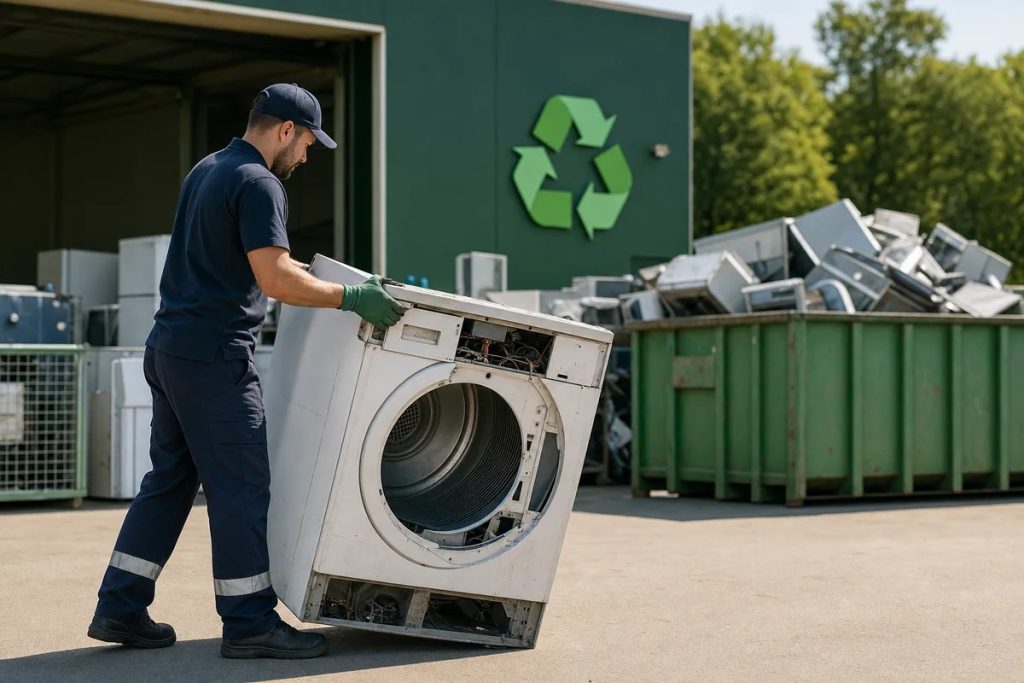
Where Can I Recycle a Broken Dryer?
September 10, 2026
Scrap Metal Salt Lake City: What Local Yards Expect
October 8, 2026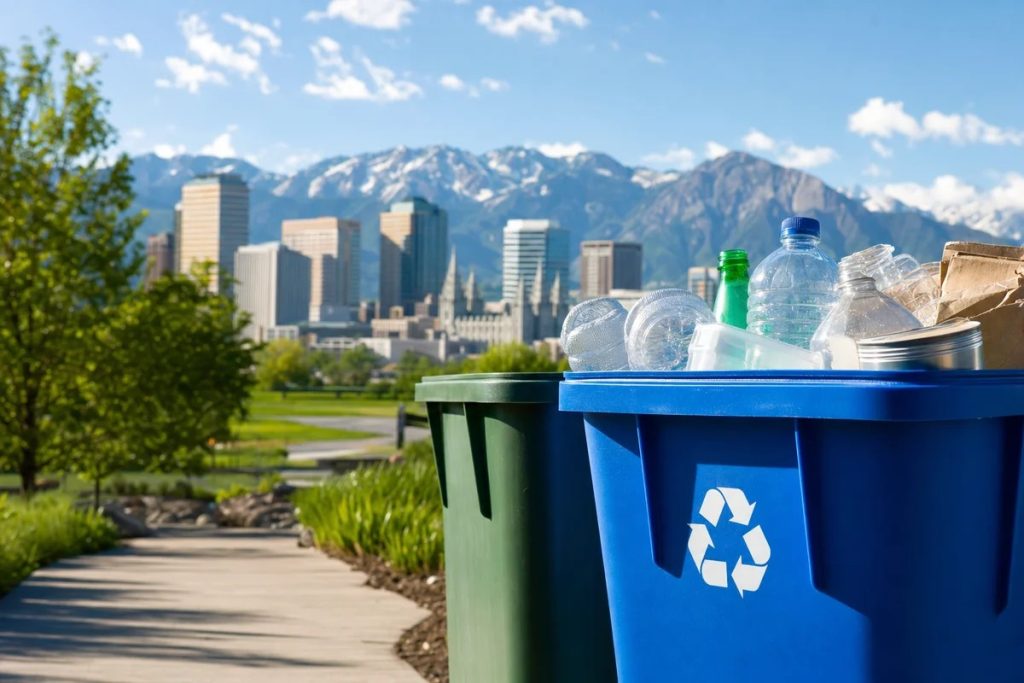
How recycling works in Salt Lake City neighborhoods
Recycling in Salt Lake City usually runs on three paths: curbside carts for common household materials, glass-only collection for residents who sign up for it, and special programs for items like batteries or electronics. Salt Lake City accepts clean paper, plastic containers, metal cans, and cardboard in its curbside recycling program, while glass is kept separate from the blue cart. If your current address has different rules than your last one, follow the current list, not old habits. Clean, dry, loose recyclables do the most good, and a cart full of questionable items does the opposite. If you are sorting after a move or a garage cleanout, our team at Clearfield Recycling can help you separate what belongs in the cart from what needs another route.
What belongs in Salt Lake City curbside recycling
Salt Lake City curbside recycling focuses on a few easy-to-sort materials that are common in the home. The goal is to keep the cart full of items recovery facilities can process without extra cleanup.
- Cardboard and boxboard, like shipping boxes, cereal boxes, and paper towel cores, as long as they are clean and dry.
- Paper, including office paper, mail, newspapers, and magazines, if it is not soaked with grease or food.
- Metal cans, such as aluminum drink cans and steel food cans, once they are empty.
- Rigid plastic containers, including the bottles and jugs your current program lists for pickup.
Condition matters as much as material. Containers should be empty, and a light rinse is usually enough when residue would otherwise attract pests or smear on other recyclables. No food, no liquid, and no loose scraps in the cart. Gray-area items need a decision before pickup, not after. Greasy cardboard belongs in the trash, and shredded paper may need a different route depending on the current local rules. When the item is not obvious, set it aside until you confirm where it goes.
How to recycle in Salt Lake City without contaminating the cart
- Step 1 Check the current list before you sort
Start with the city or hauler list, because recycling in Salt Lake City can change by neighborhood and by service provider. One wrong material can contaminate a cart, especially when a program does not accept certain plastics or mixed packaging. If an item is not clearly listed, set it aside for another route instead of guessing.
- Step 2 Clean and flatten the items that take up the most space
Empty containers before they go out, remove obvious food residue, and flatten cardboard so the cart holds more usable material. Keep labels, caps, and lids on only if the current local rules allow them. This simple home prep makes a real difference in how much clean material gets recovered.
- Step 3 Set out the cart the way the route expects
Keep recyclables loose in the cart, not bagged, wrapped, or tied together. Overfilled carts, hidden trash, and items that tangle sorting equipment are the common pickup blockers. Place the cart where the truck can reach it and keep the lid closed so wind and rain do not turn good material into trash.
When Salt Lake City recycling services are the better fit
Some materials do not belong in curbside recycling at all, and that is where Salt Lake City recycling services or other local recycling options become the better fit. For odd items, our team at Clearfield Recycling can help you decide whether the material needs a drop-off, a retailer take-back program, or a household hazardous waste event. Before you drive anywhere, check accepted items, hours, drop-off limits, and any fees so the trip matches the material.
Where batteries and electronics usually go
Batteries and electronics need a special collection point or e-waste drop-off, not the curbside cart. Phone chargers, laptops, and button batteries are common examples, and lithium batteries matter because they can start fires if they get crushed in a truck.
How to handle glass, paint, and household chemicals
Glass, paint, and household chemicals usually need separate handling because broken glass can injure workers, liquid paint can spread through a load, and chemicals can damage equipment. A sealed container is not the same thing as an accepted recyclable. Send these items to the local program that is built for them instead of forcing them into the cart.
Common mistakes that slow recycling in Salt Lake City
The biggest contamination problems are also the easiest to avoid: food residue, plastic bags, trash mixed with recyclables, and tanglers like hoses, cords, and chains. According to the U.S. Environmental Protection Agency, contamination can make a recycling load harder to sort and less likely to become new material. In some programs, one wrong item can affect the whole cart, which is why the prep work matters. A small staging bin near the kitchen helps because you can collect bottles, cans, and paper during the week and do one final check before pickup. We also recommend a quick glance for anything soft, sticky, or bagged, since those are the items most likely to slow the route.
Questions Salt Lake City residents ask before recycling day
Before pickup day, the safest move is simple: check the current city or hauler list, sort by material, and keep anything unclear out of the cart. If you are still unsure about an item, Clearfield Recycling can help you confirm the right path before it becomes a contamination problem.
Can I recycle glass in Salt Lake City curbside service?
No. Glass usually should not go in Salt Lake City curbside recycling. Salt Lake City offers separate glass recycling for residents who sign up or use a drop-off site, and broken bottles and jars are accepted in that glass-only stream.
Are pizza boxes recyclable in Salt Lake City?
Yes, only the clean, dry portions belong in recycling. Tear off greasy bottoms or heavily stained sections and put those in the trash, because food residue and grease can contaminate the rest of the box.
What should I do with plastic bags and film?
Plastic bags and film do not belong in curbside recycling. Use store take-back bins if they are available, and keep loose bags out of the cart because they tangle sorting equipment.
Where do batteries and electronics go instead of the bin?
They need special collection or e-waste drop-off, not the bin. Phone chargers, laptops, and button batteries are common examples, and lithium batteries are a fire risk if they get crushed.
What should I check before my next Salt Lake City curbside recycling pickup?
Check for clean, dry, loose recyclables, flattened cardboard, and no trash or plastic bags. Then verify the current city or hauler rules before pickup day, and if one item still looks questionable, call Clearfield Recycling before you set it out.
Keep the next pickup simple
The easiest way to keep recycling in Salt Lake City working is to keep the cart boring: clean, dry, loose, and limited to the items your current program actually accepts. If you have material that does not fit curbside rules, contact Clearfield Recycling and our team will help you sort the right path before the next pickup day.