

Cardboard Recycling Near Me, What Clean Drop-Off Feels Like
June 8, 2026
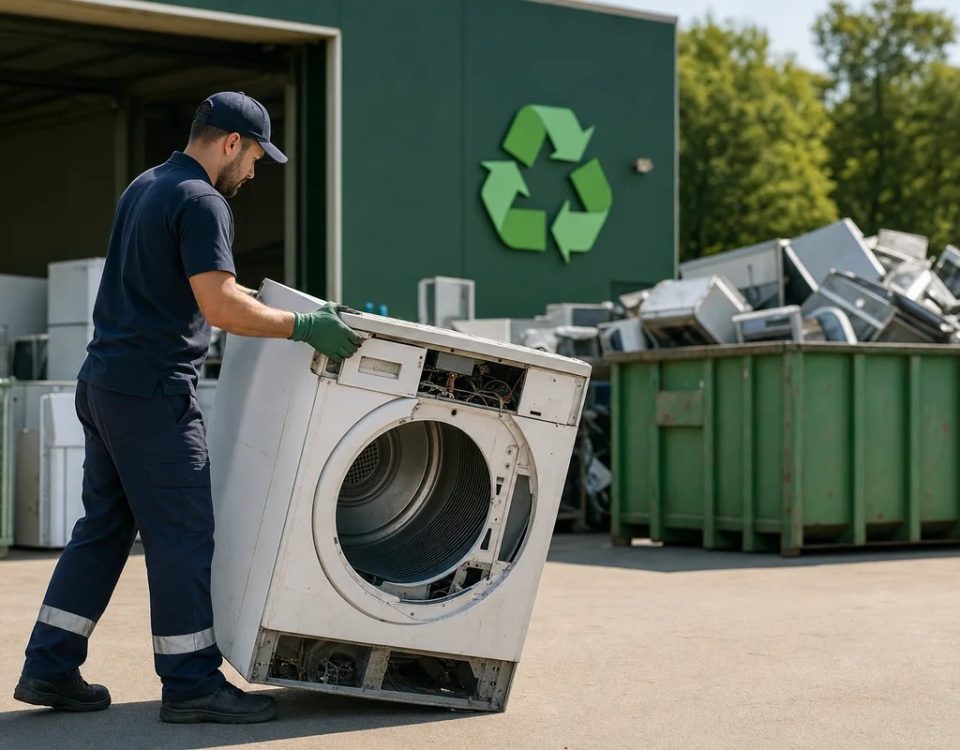
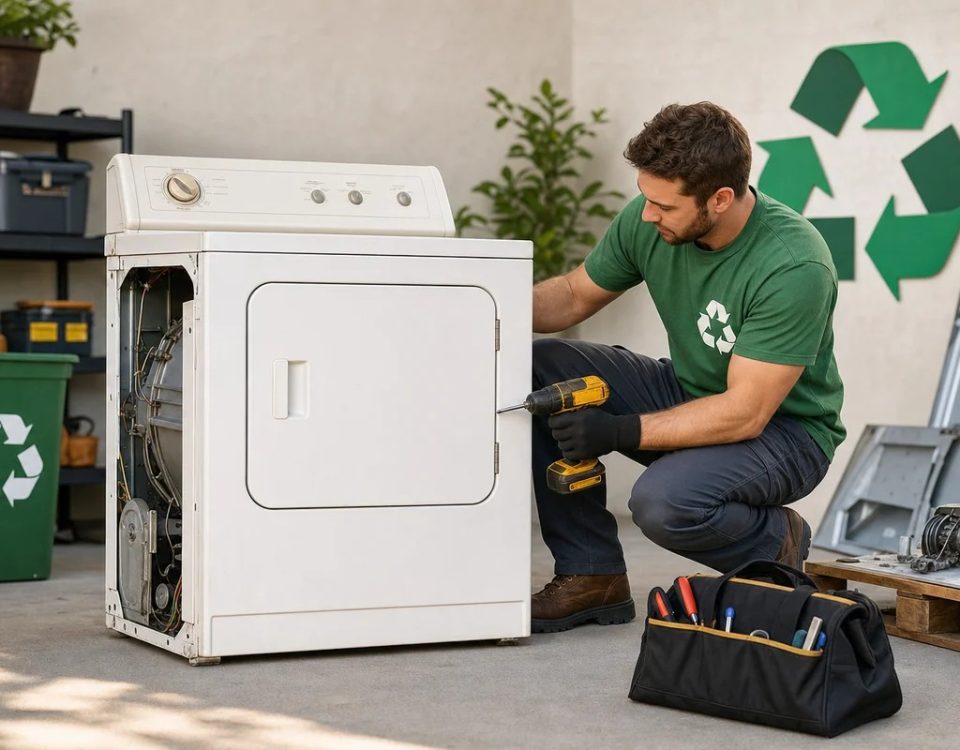
How to Recycle an Old Dryer Safely and Properly
August 26, 2026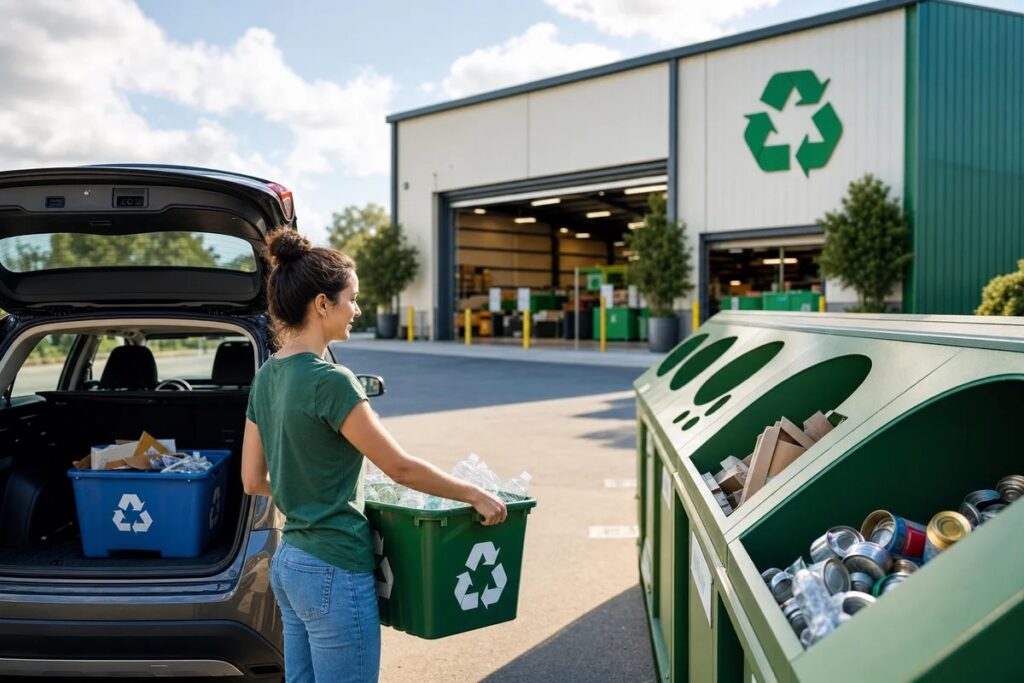
A fast way to narrow down a nearby recycling center
At Clearfield Recycling, we see the quickest searches start with four checks before anyone loads the car. If you want a nearby recycling center that actually saves time, do not start with distance alone; start with what you can confirm in under 10 minutes.
- Check map results and live hours first. If the listing does not show current hours, or it only says “busy” without a clear window, keep moving.
- Confirm accepted materials. Cardboard should be listed plainly, not implied under a vague “mixed recyclables” label.
- Look for access clues. Wide entry, simple lane flow, and a short drive from the road to the drop zone matter more than a slightly closer pin on the map.
- Do one quick review check or call ahead. Recent reviews about wait time and cleanliness are more useful than old ratings, especially when the newest comments are more than about 6 months old.
We use a simple cutoff: if a site does not clearly list hours, cardboard acceptance, and entry rules, it fails the 10-minute test. A stale review trail or conflicting material lists usually means outdated rules, and that is how people end up making a second trip to a drop-off that looked right on the map.
For speed, we rank the clues in this order: clear cardboard acceptance first, lane width and easy entry second, then recent comments about wait times and cleanliness third. That order usually points you to the right local site without wasting a morning.
Why this recycling center worked for cardboard
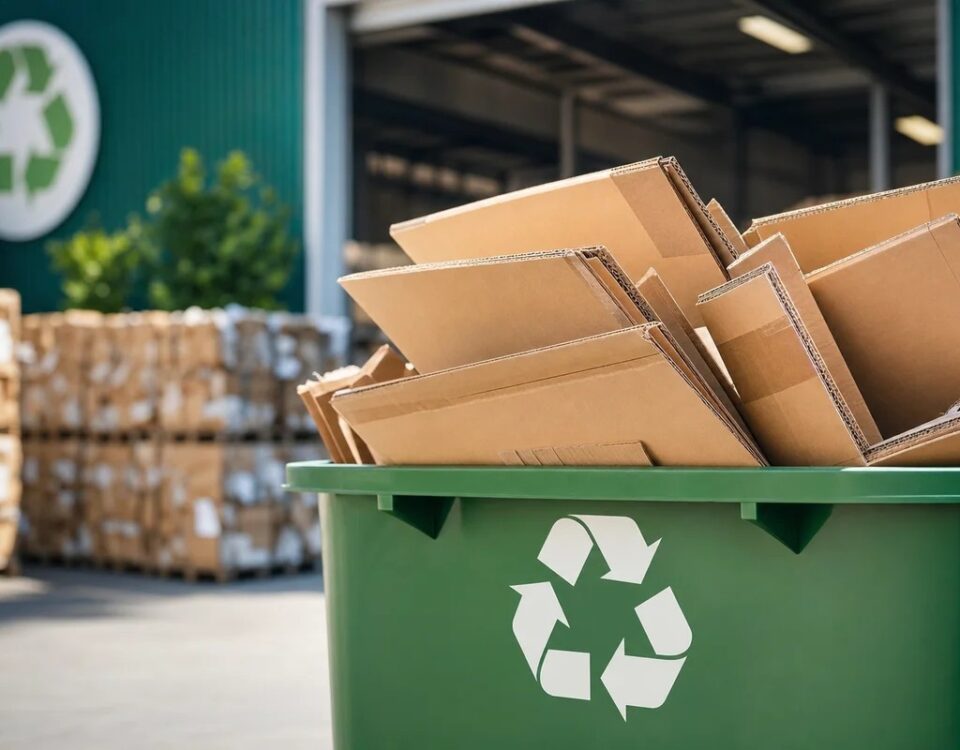
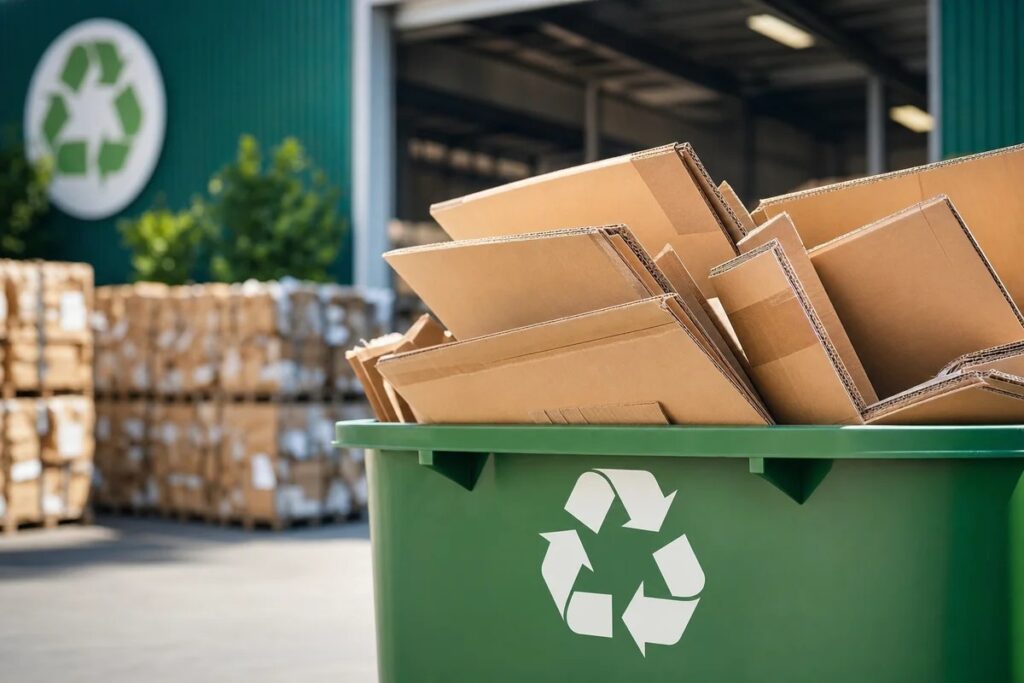
We pulled in with cardboard drop-off, and the site was clean, easy to access, and quick to use. The unload path stayed short, so we did not have to backtrack or thread through extra turns just to reach the bin.
At the bin, the flow stayed simple. We moved through check-in without confusion, and the interaction was friendly and professional from start to finish. That matters because cardboard drop-off gets slow when you have to stop twice, ask where to go, or wait while traffic sorts itself out.
We left fast, and the visit felt friction-free enough that we would choose the same spot again. Cleanliness and access reduced the usual friction, which is exactly the kind of experience we want to deliver at Clearfield Recycling.
What a clean local recycling center looks like before you unload
A clean local recycling center shows four things before you even open the hatch: swept pavement, sorted containers, bins below the rim, and no loose contamination around the drop zone. Those are the visible clues that the site is being maintained for real use, not just looking neat from the street.
Cosmetic cleanliness is one thing, operational cleanliness is another. A well-run site also has labeled lanes, dry unloading areas, and clear signs telling people what belongs where, so you are not guessing while standing in traffic.
Red flags are easy to spot once you know them: overflow, blocked paths, mixed piles, and wet cardboard sitting out in the open. Contamination can make otherwise recyclable cardboard harder to process, so a dry, orderly site is not just prettier, it is more functional too.
How to tell if a nearby recycling center will be quick to use
The fastest nearby recycling center is usually the one with the easiest access, not the one that is closest by miles. We rank the time impact this way: entrance width and turn radius first, signage and one-way flow second, parking and unload distance third.
A wide entrance saves minutes because you do not have to make a second approach. Clear signage saves another minute or two because drivers do not have to stop and ask where to go, and a short walk from parking to the bin matters most when you are carrying multiple boxes.
Weekday mid-morning and early afternoon are usually the best time windows for a quick drop-off. Saturday around noon is often the slowest stretch unless the site specifically shows low-traffic notes or a lighter schedule.
That is why the nearest address is not always the quickest path. A tight turn, a single loading lane, or a long carry from parking to the bin can turn a short drive into a slower visit than a slightly farther local site with better flow.
How to compare local recycling centers without wasting a trip
When you compare local recycling centers, use a simple table and check the basics in under a minute. If you want the cleanest first choice, Clearfield Recycling’s recycling services should make those basics easy to verify before you commit to the drive.
| Distance | Materials accepted | Entry type | Expected wait | Cleanup standard |
|---|---|---|---|---|
| 5 to 10 minutes farther | Cardboard listed clearly | Single clear lane | Under 15 minutes | Swept, dry, bins labeled |
| Closest pin on the map | Mixed or unclear list | Tight turn or narrow gate | Unknown or frequent backups | Overflow or loose debris |
Call ahead when you have a large cardboard load, wet or greasy boxes, mixed paper, shredded paper, or anything that is not listed clearly on the site. The best drop-off is often 5 to 10 minutes farther away, but that extra drive can still save time if the rules are clearer and the unload is faster.
In practice, the cheaper trip is not always the quicker one. A cleaner site with better access often beats a closer map result because you spend less time waiting, less time asking questions, and less time circling the lot.
Questions people ask before they load the car
These are the quick answers we would want before making a second trip to a site. The rule of thumb is simple, answer the question on the listing first, then use the drive only if the answer is clear.
What if the closest site has a line?
Wait if the line is under about 15 minutes and the lane is moving. If the exit is blocked or staff are manually sorting at the gate, the wait usually gets worse, so leave and try a quieter 10 a.m. to 2 p.m. window instead.
Is a local recycling center faster than a larger drop-off site?
No, not always. A smaller site is faster only when it has a single clear unload lane and simple rules, while a larger depot wins when it has multiple bays, better signage, and staff who direct traffic.
How can I tell if a drop-off site takes cardboard?
Check the listing for the words cardboard, flattened boxes, or corrugated cardboard first. If those words are missing, assume no until you confirm, and treat wet, greasy, or food-soiled cardboard as likely rejected.
When should I skip the nearest site and drive farther?
Skip it when hours are unclear, the reviews show frequent backups, or the access lane is too tight for your vehicle. A site 5 to 10 minutes farther away is worth it if it confirms acceptance, has a cleaner unload area, and gets you back out faster.
Ready to make the next drop-off simpler?
If you want a clean, easy-to-access place for cardboard, check Clearfield Recycling before you head out. A quick look at the rules can save a second trip, and our contact page makes it easy to confirm the details before you load the car.
Contact Clearfield Recycling to plan a smoother cardboard drop-off and avoid guessing about hours, access, or accepted materials.